Campaign + Landing Page · 2026
A Better Way to MDR
A campaign for the prospects we kept missing: teams who already have an MDR, already know it isn't working, and just haven't made the move. I led the creative, from the brief and the framework to the art direction, the landing page and the nurture emails.

Where we started
The prospects we weren't reaching
There was one group we kept missing: Microsoft Defender shops that already pay for an MDR and aren't happy with what they're getting. They don't need us to explain what MDR is. They already know theirs isn't working, they just haven't made the switch yet.
So the whole campaign was built to meet them in that exact moment, and to start by acknowledging the problem instead of pitching a product.
CISO
Carrying the weight of a security program they can't prove is improving.
CFO
Signing MDR contracts they can't prove have any ROI.
Security managers
Doing the MDR's job on top of their own.
The strategy
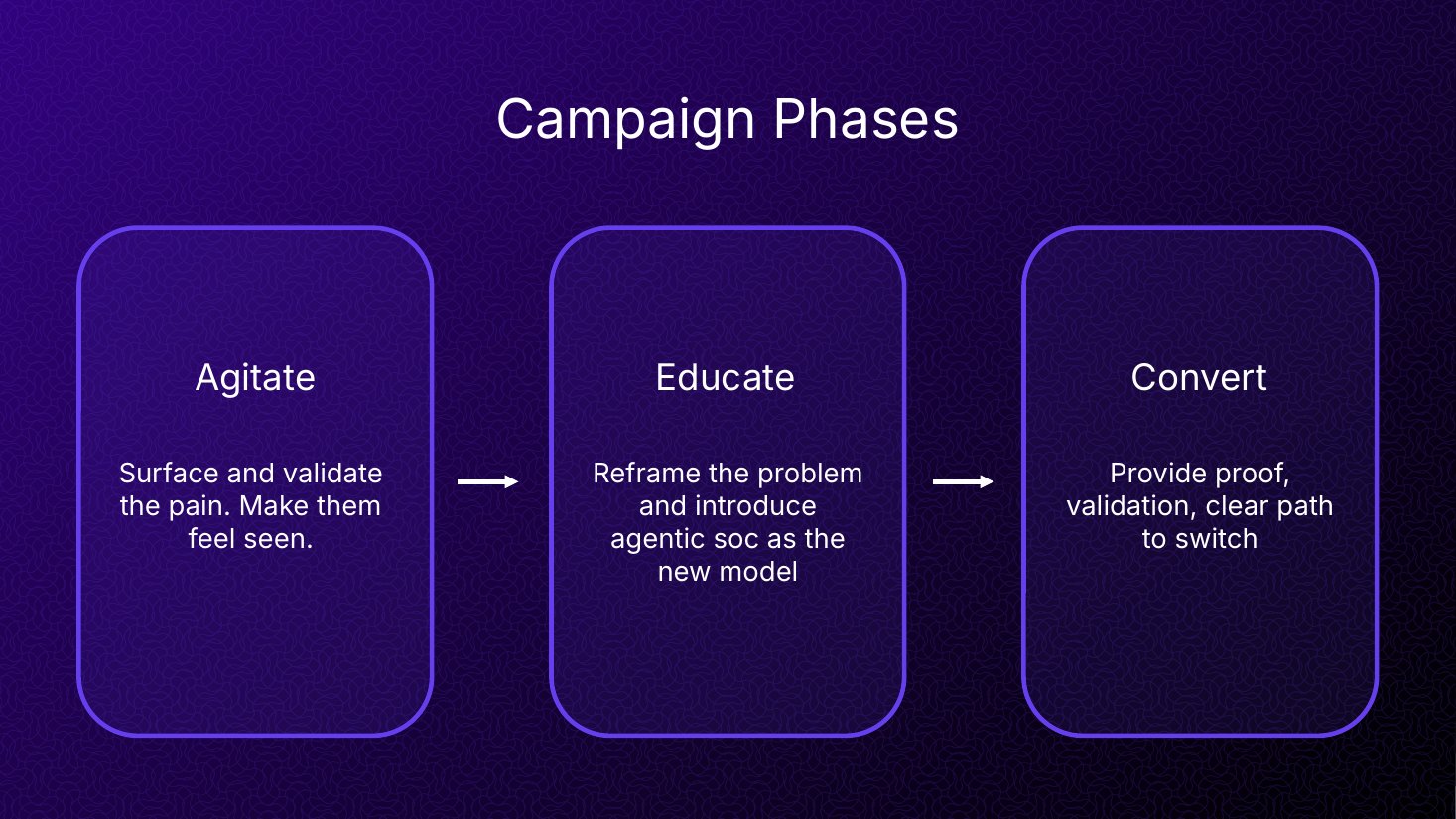
Agitate, educate, then convert
I broke the campaign into three phases. Agitate surfaces the pain and makes people feel seen. Educate reframes the problem and introduces the Agentic SOC as the new model. Convert brings the proof and a clear path to switch.
The order matters. Showing people we understand the problem is what earns us the right to explain a better way, and then to back it up.
Phase one · Agitate
Don't sell. Show them we get it.
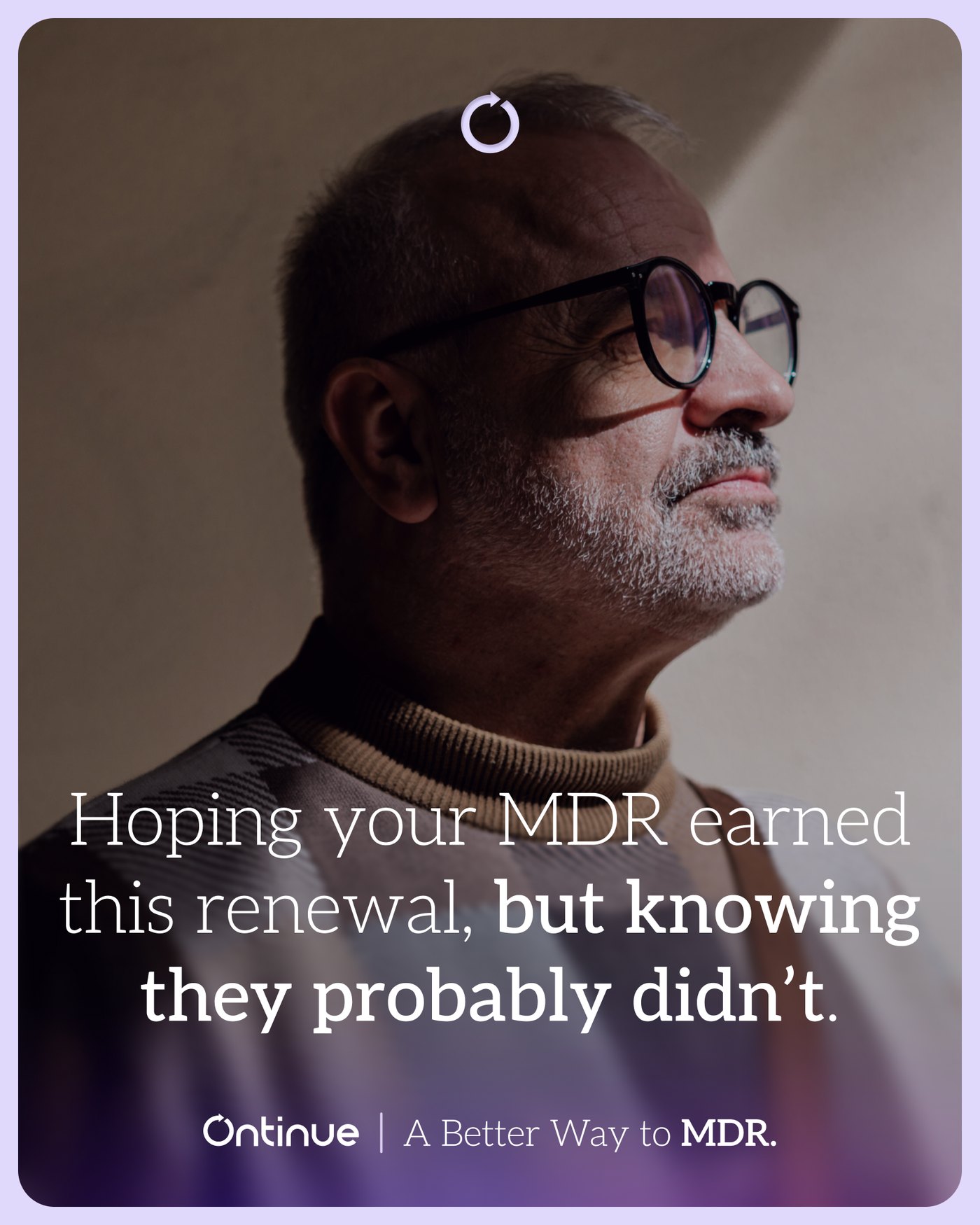
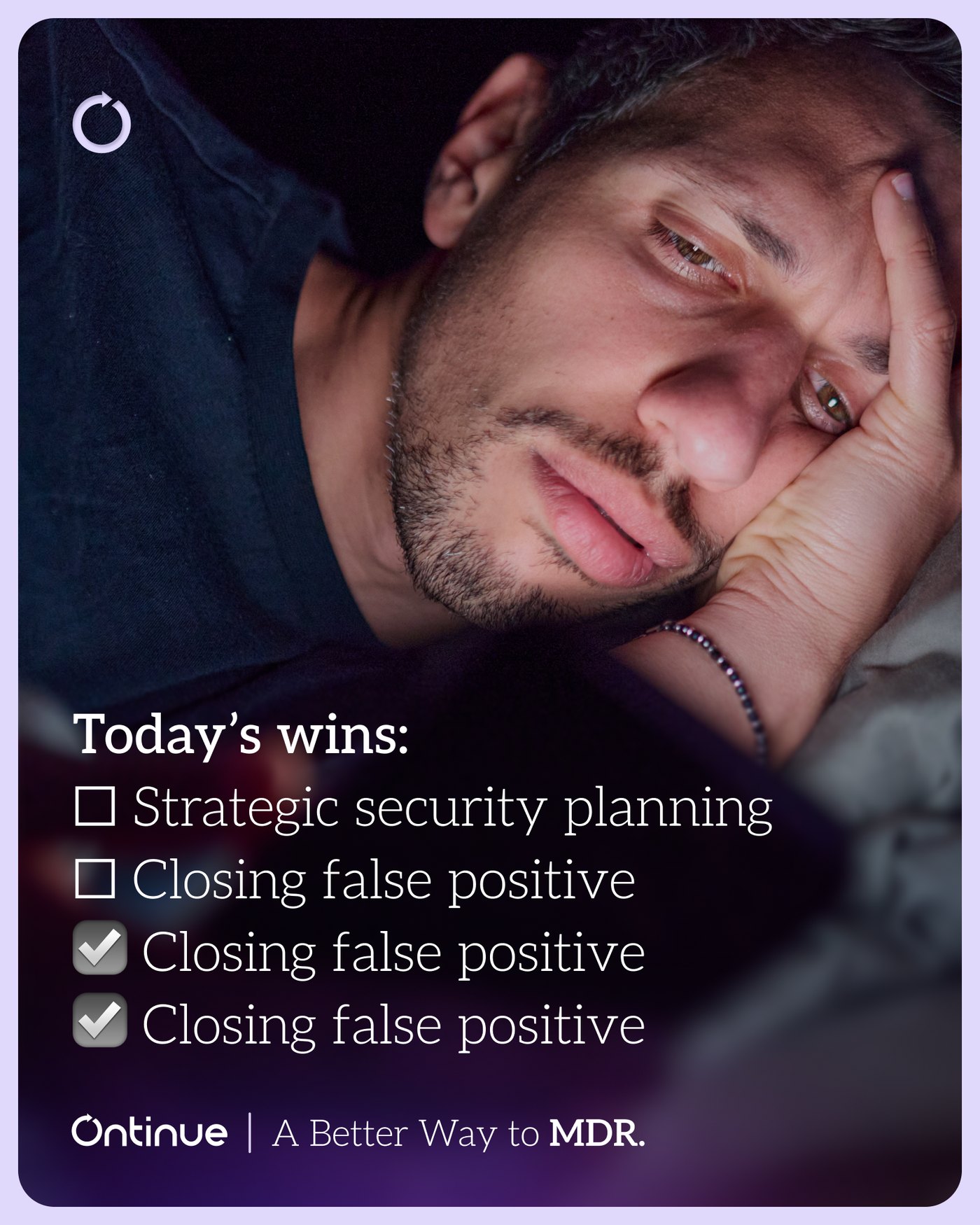
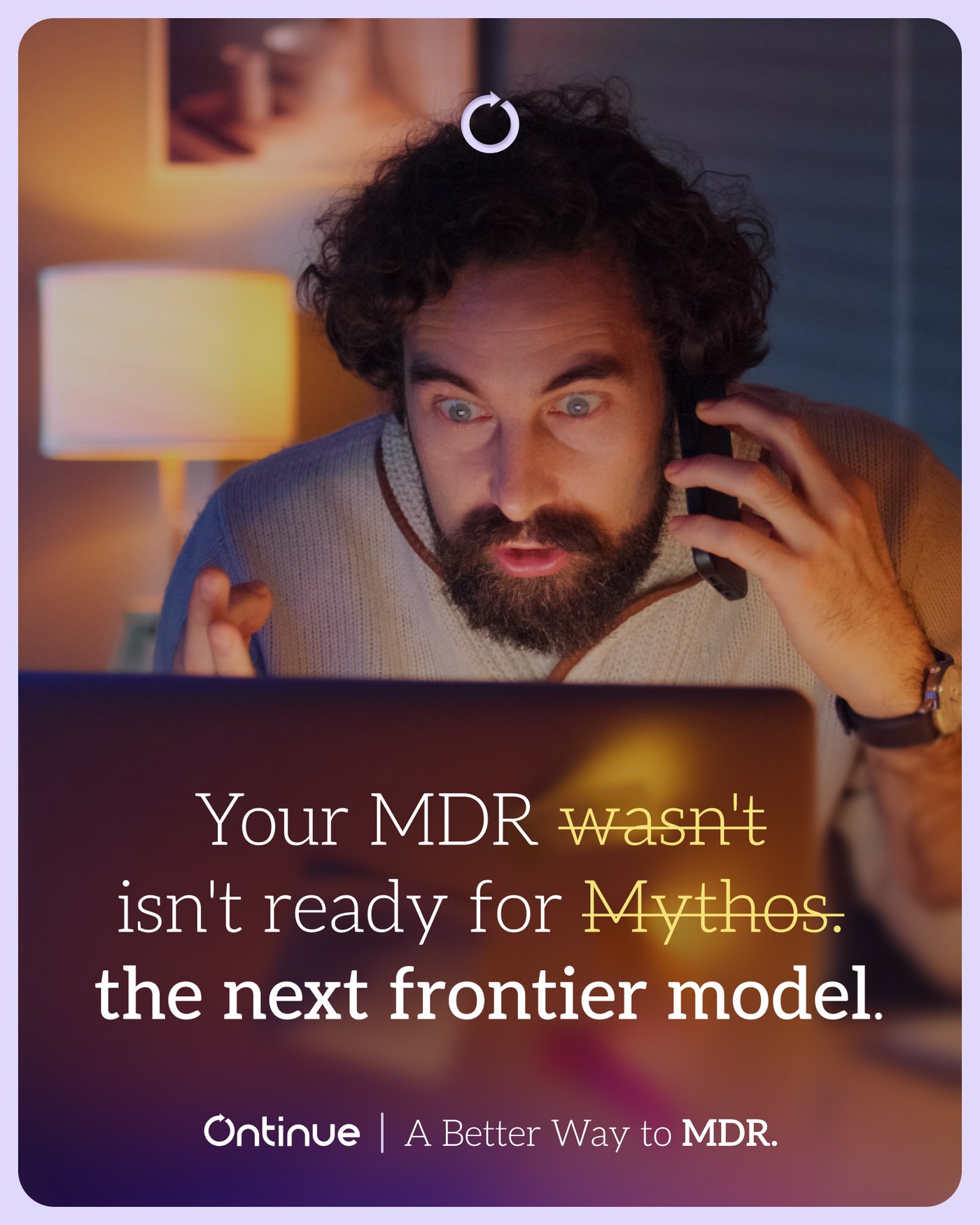
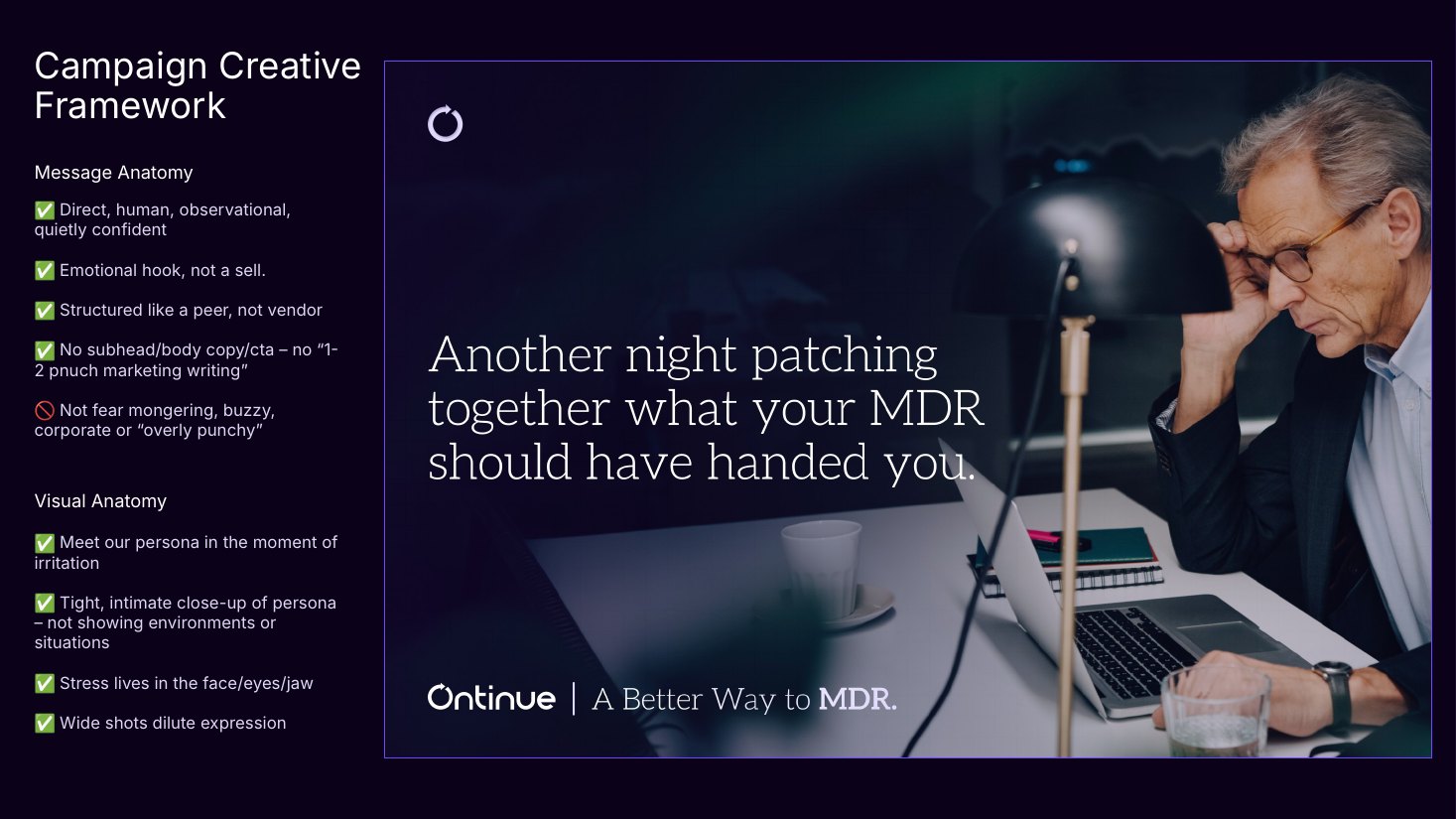
The only rule for this phase was that it couldn't be about Ontinue. The goal was for someone to see the ad and think, "they get it."
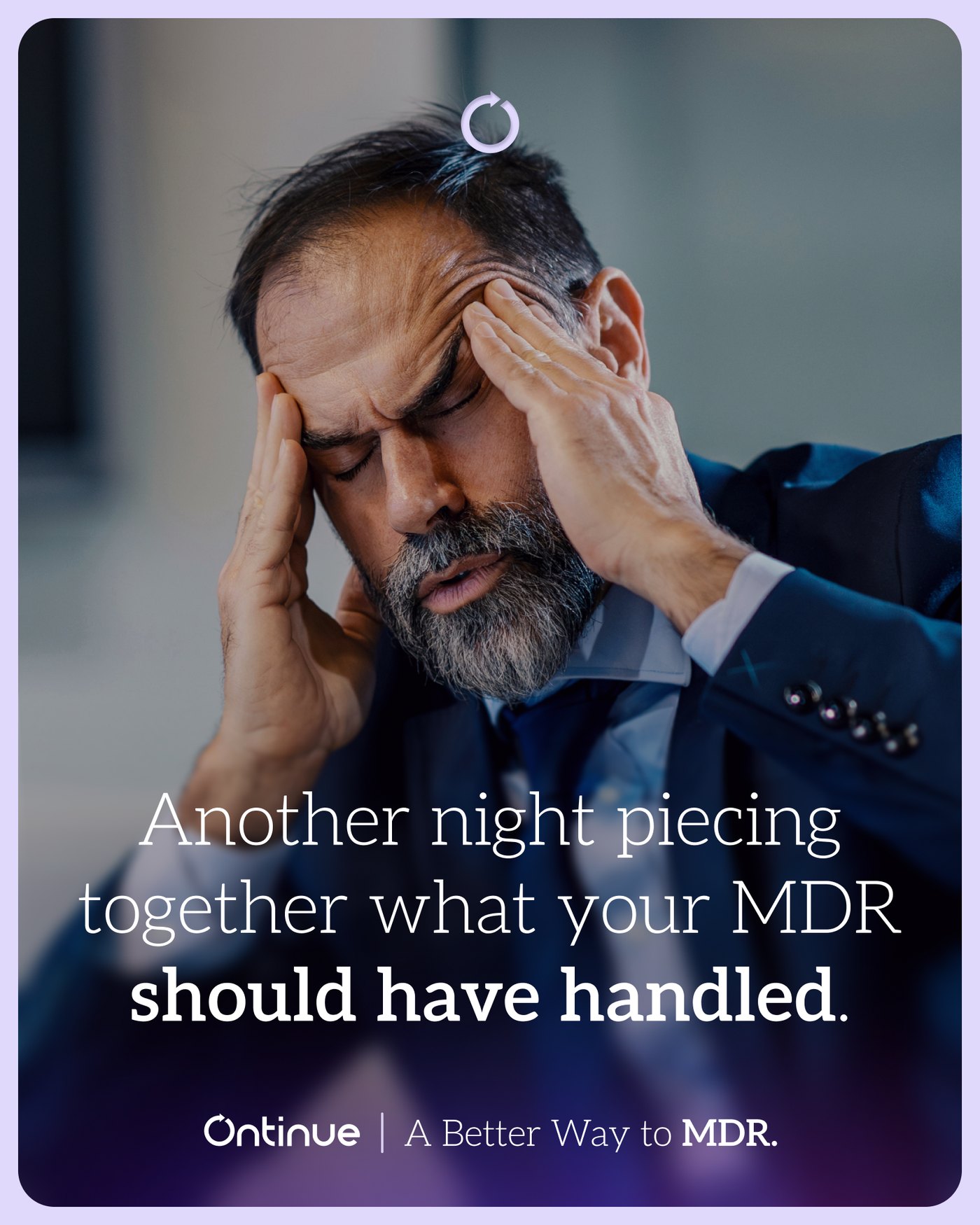
Every line is written like a peer talking, not a vendor: direct, human, observational and quietly confident. No subhead, no body copy, no CTA, and nothing fear driven or buzzy. Visually we meet each persona in the moment of irritation, with tight close ups where the stress lives in the face, eyes and jaw, because wide shots water that down.
The big idea was to use the conversations people are already having. Instead of inventing marketing lines, I mapped each persona's real pains and wrote the line they'd actually say about it. For the CISO, that's an MDR that isn't improving the program, can't keep up with AI native attacks and doesn't know Microsoft. For the CFO, it's no clear ROI and paying E5 prices for E3 effort. For the security manager, it's drowning in alerts and an MDR without the Microsoft expertise they're paying for.
The signature
One line that flexes
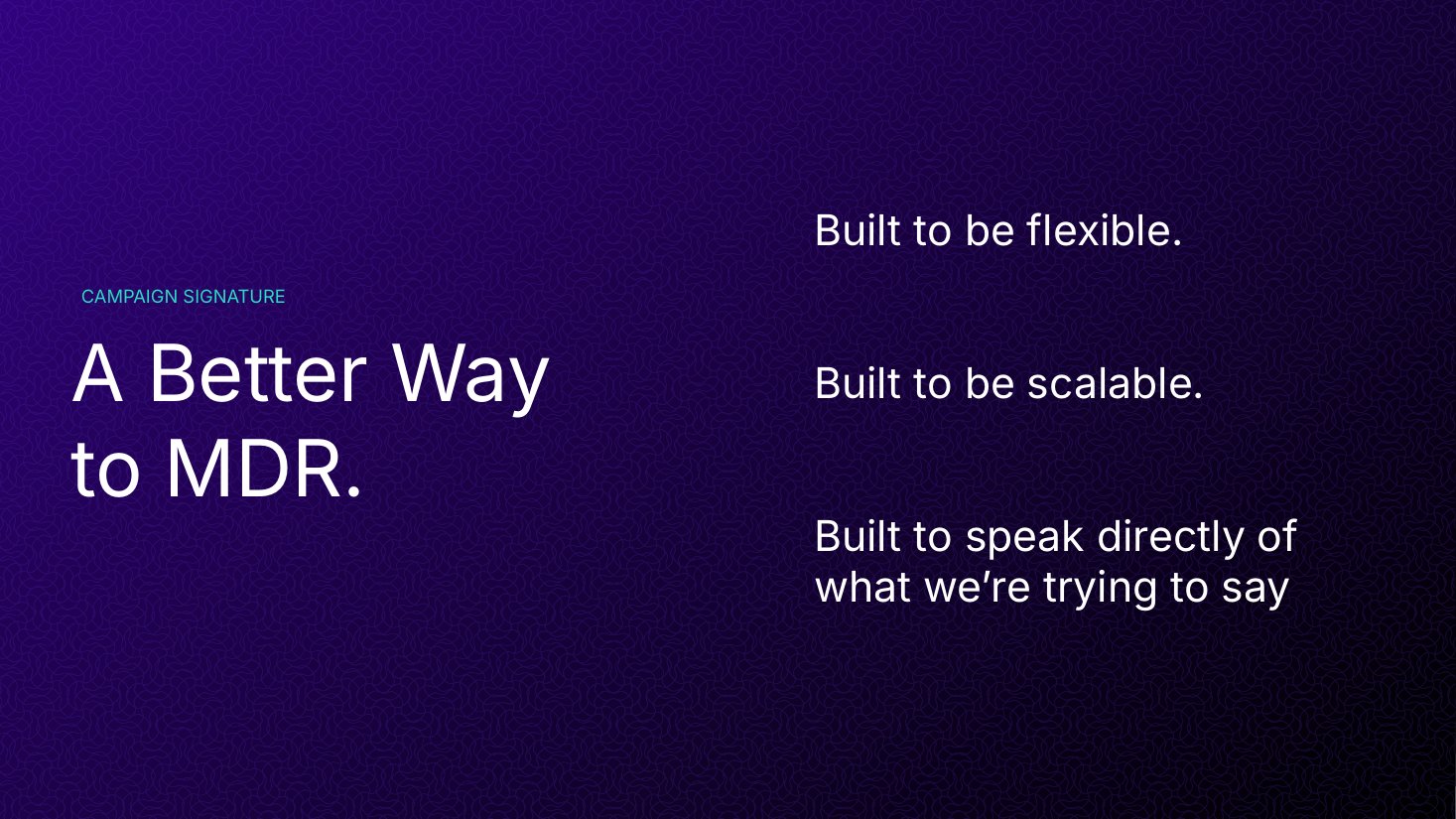
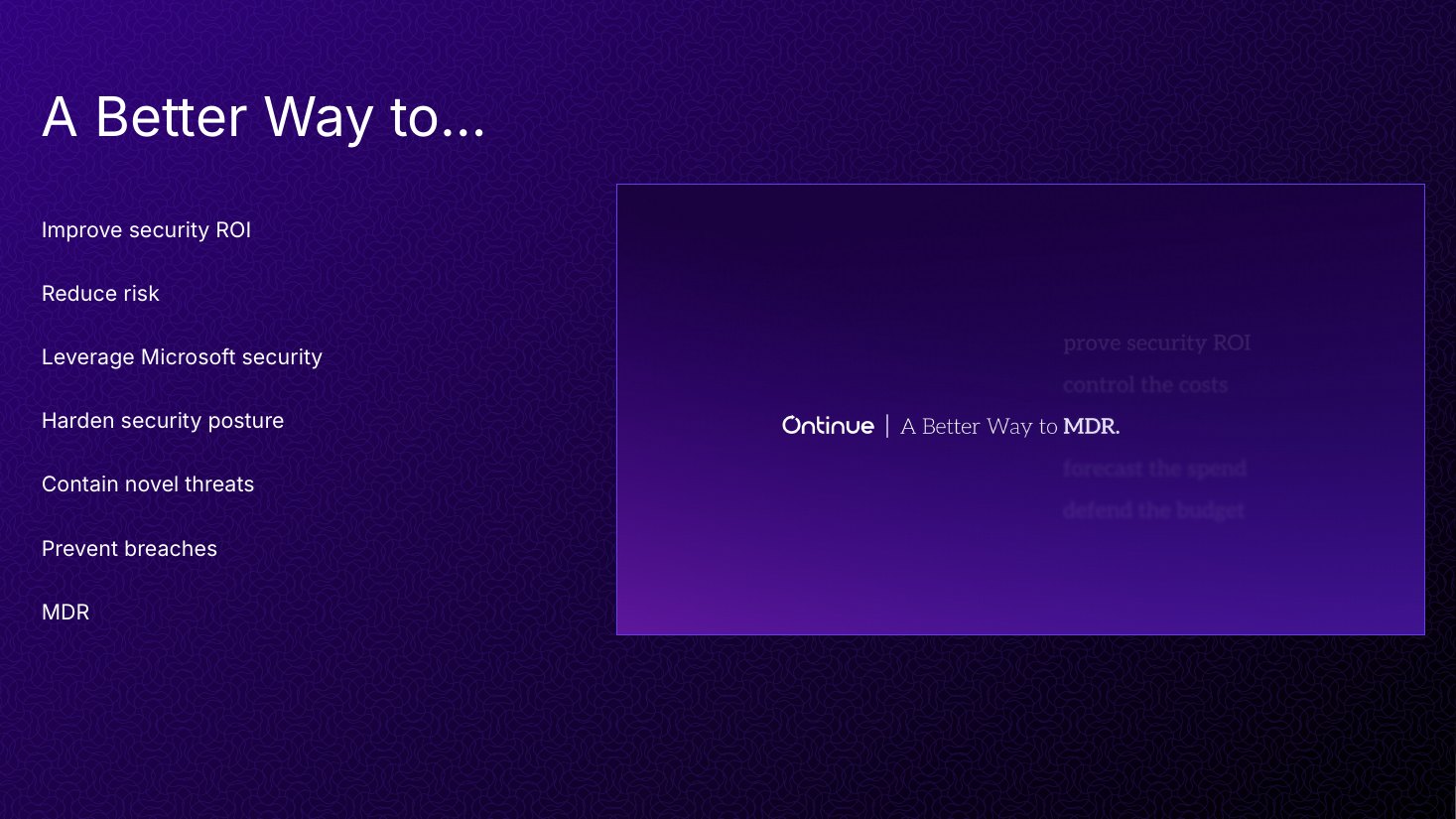
"A Better Way to MDR" works as the sign off on every piece, but it was built to stretch: a better way to improve security ROI, to reduce risk, to get more out of Microsoft security, to contain novel threats. One line that can speak to whatever each persona cares about most.
Phase two · Educate
From stress to resolution
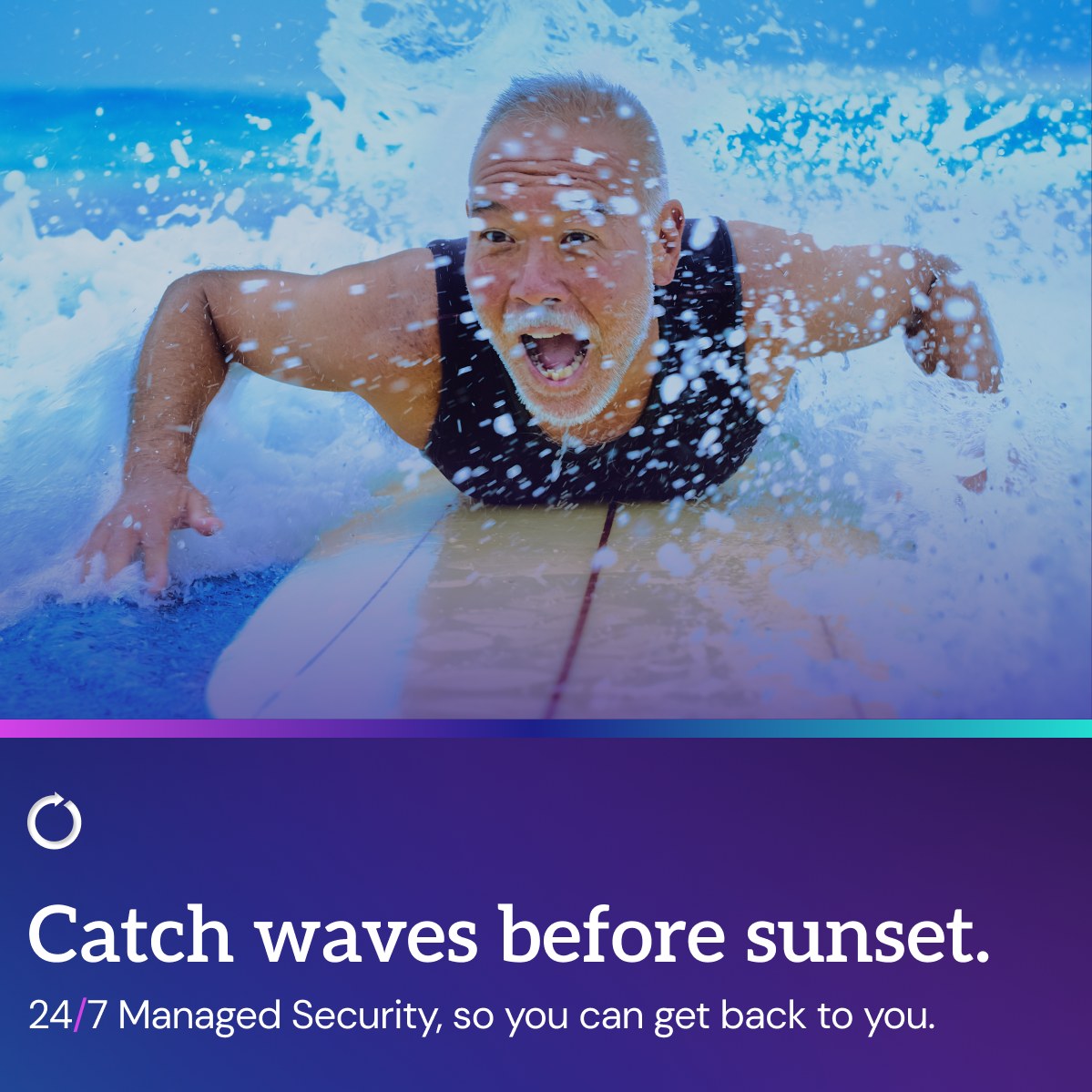
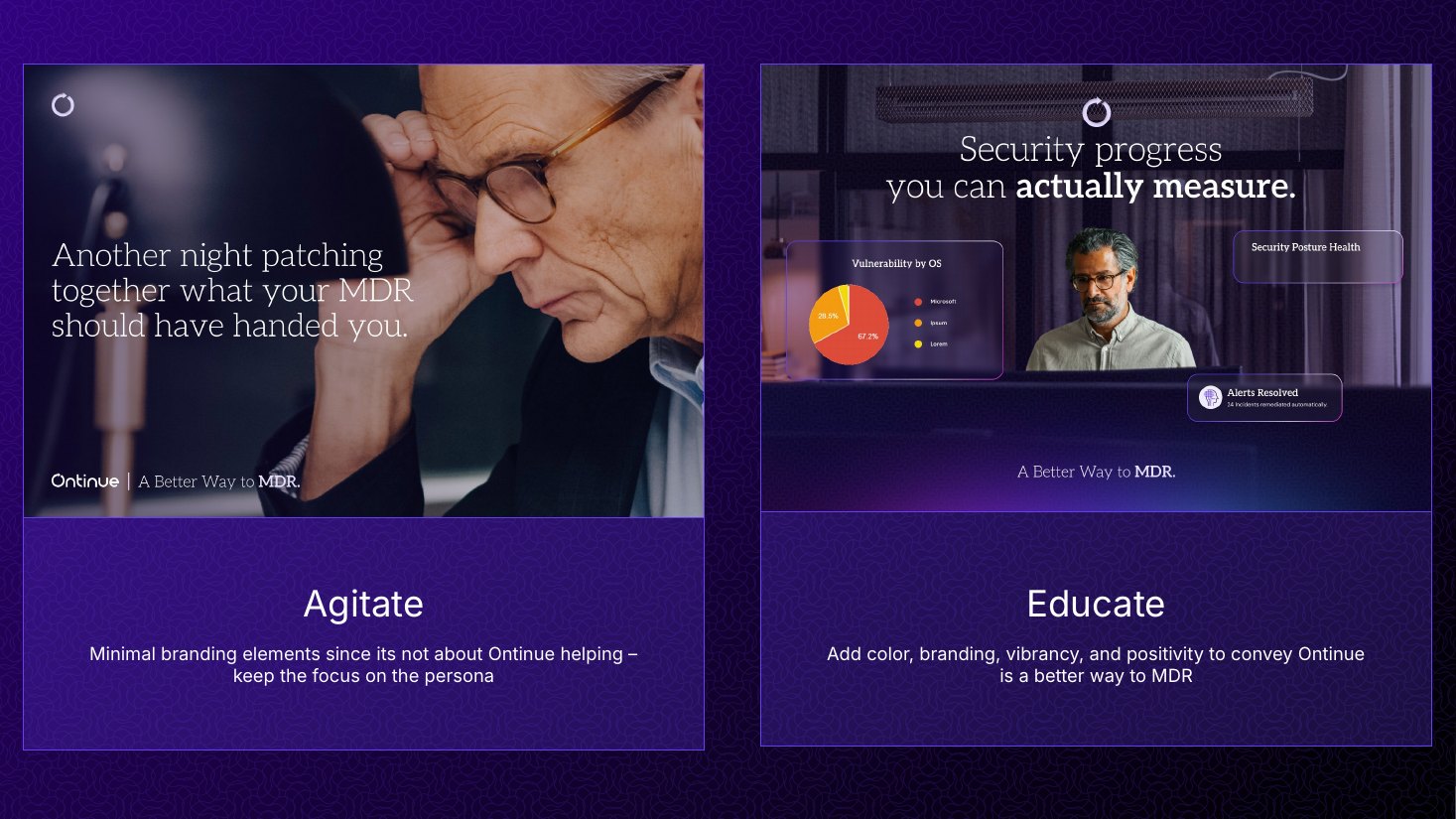
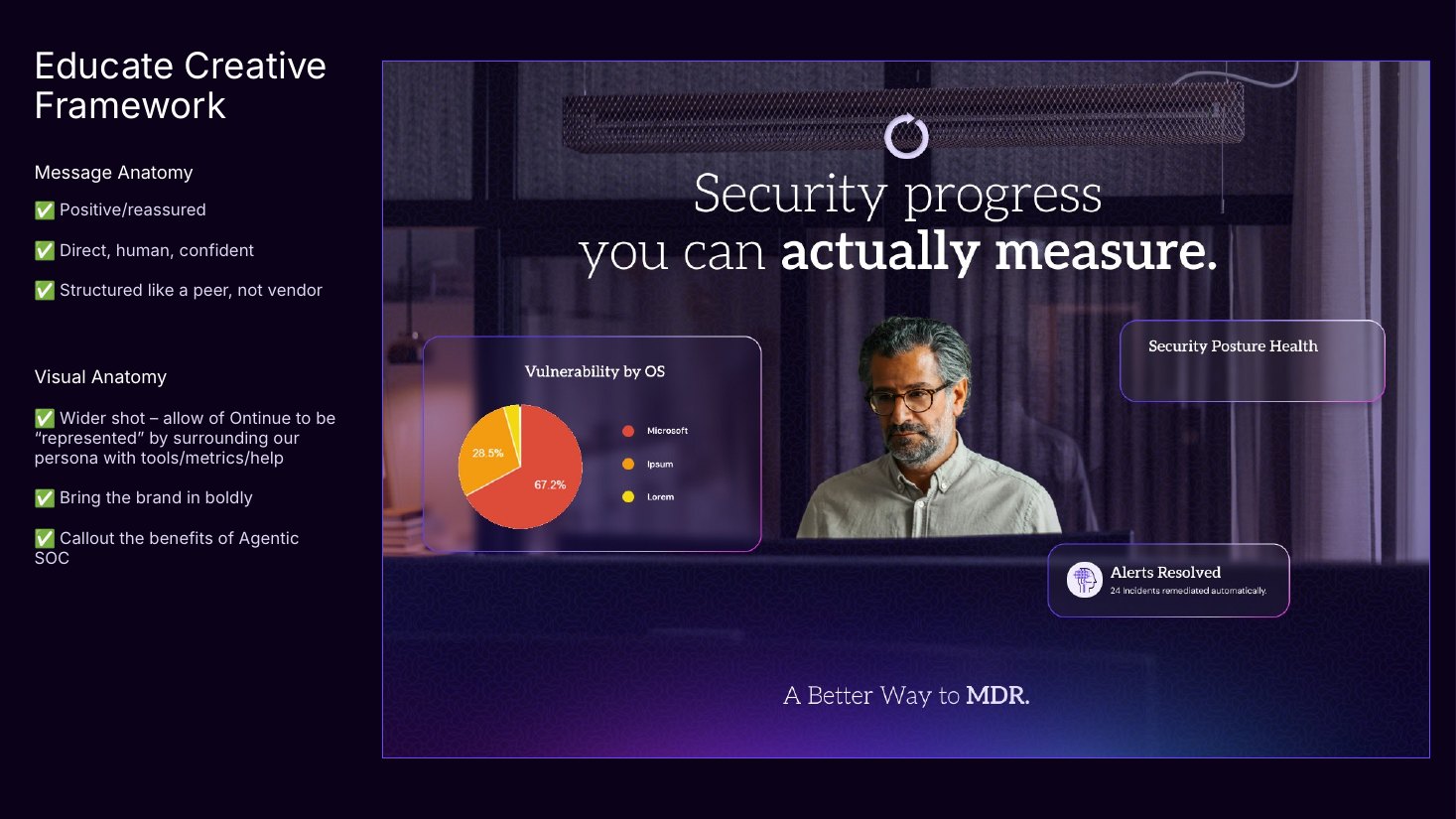
Once we've earned the attention, the creative turns. The imagery shifts from stress to relief, the headlines move from naming the pain to naming what a better way looks like, and the Agentic SOC comes in as the explanation.
This is also where the brand shows up. Agitate keeps branding to a minimum so the focus stays on the person. Educate brings in color, vibrancy and the tools and metrics around our persona, so Ontinue reads as the better way.
Phase three · Convert
Where the story lands
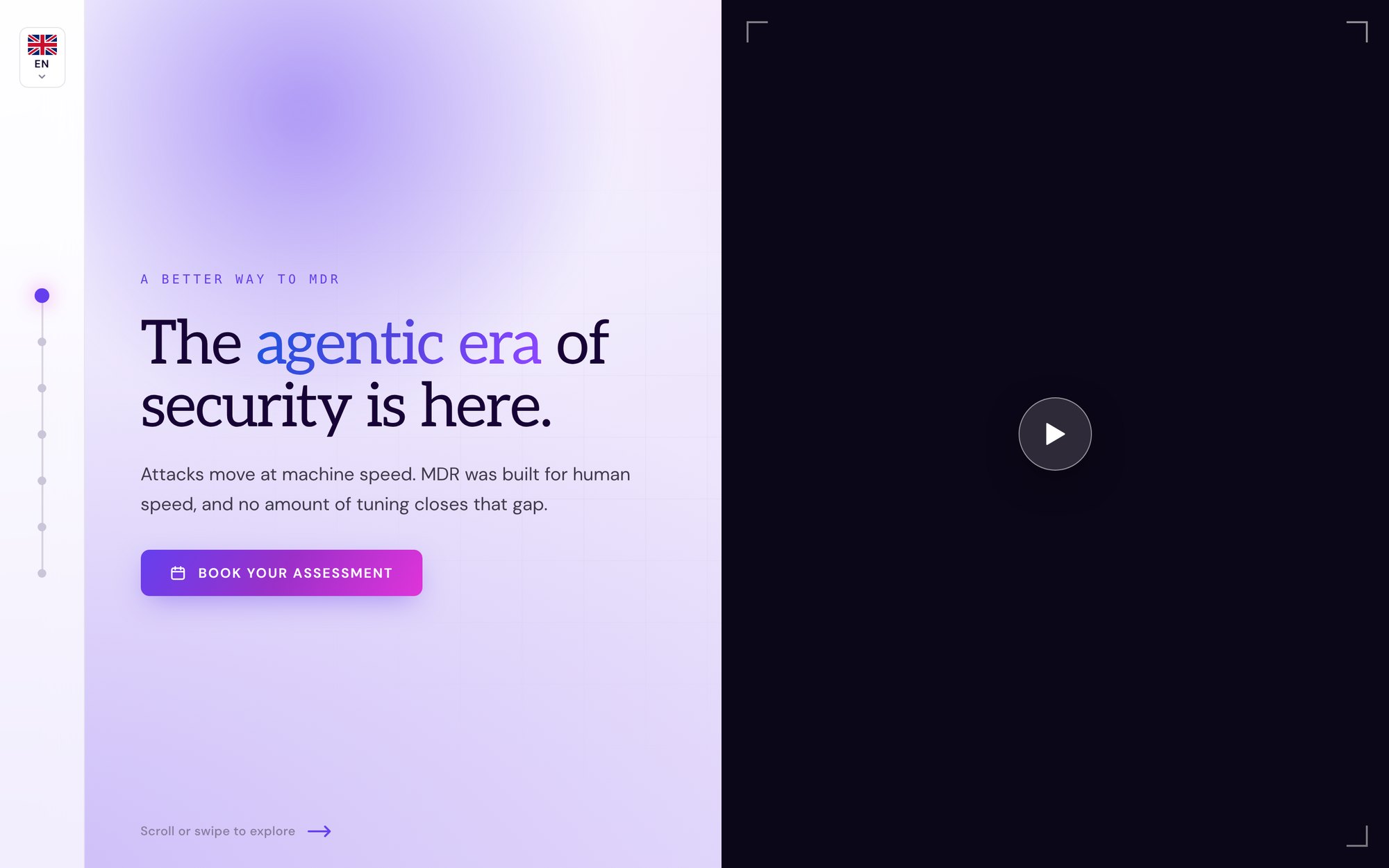
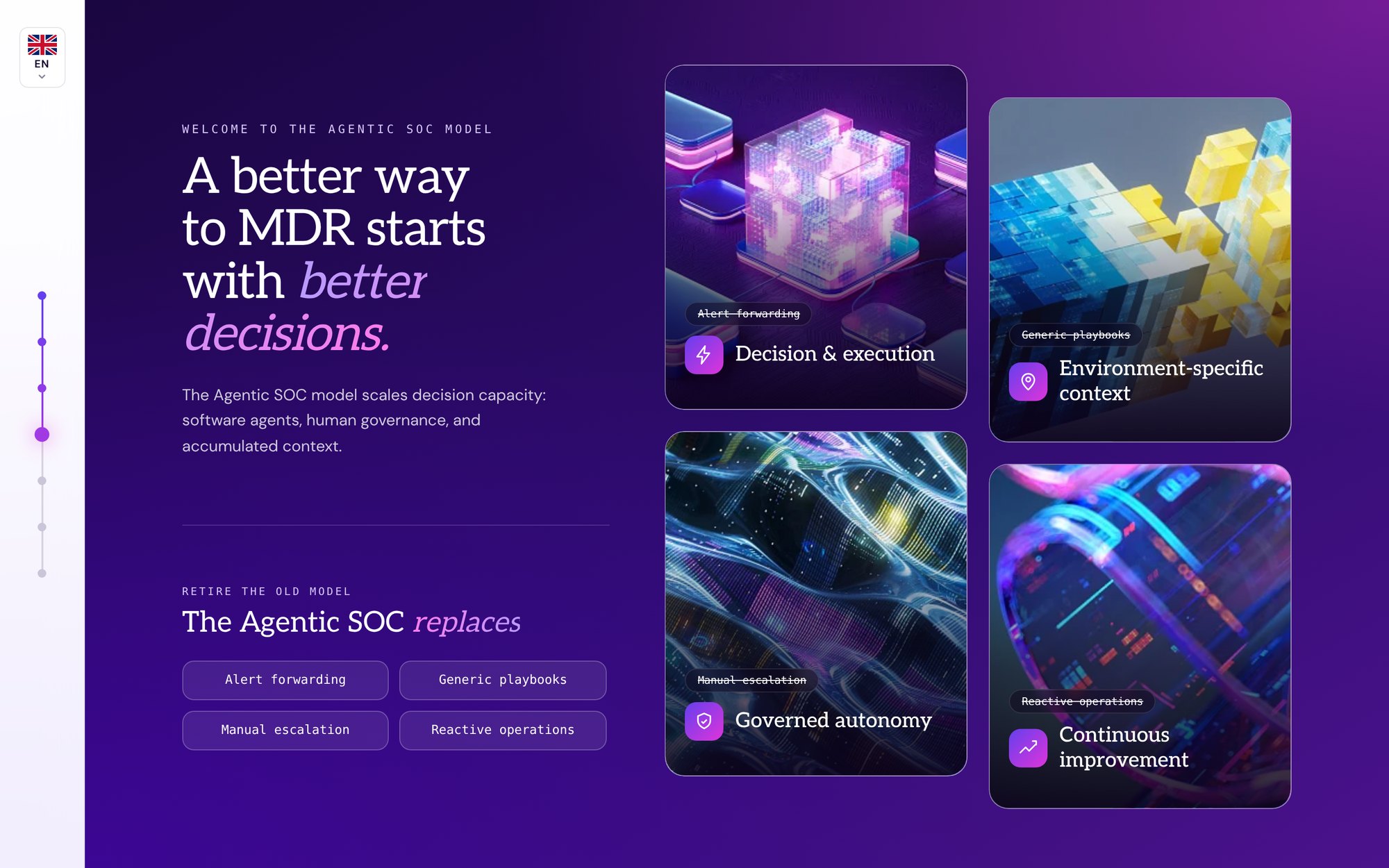
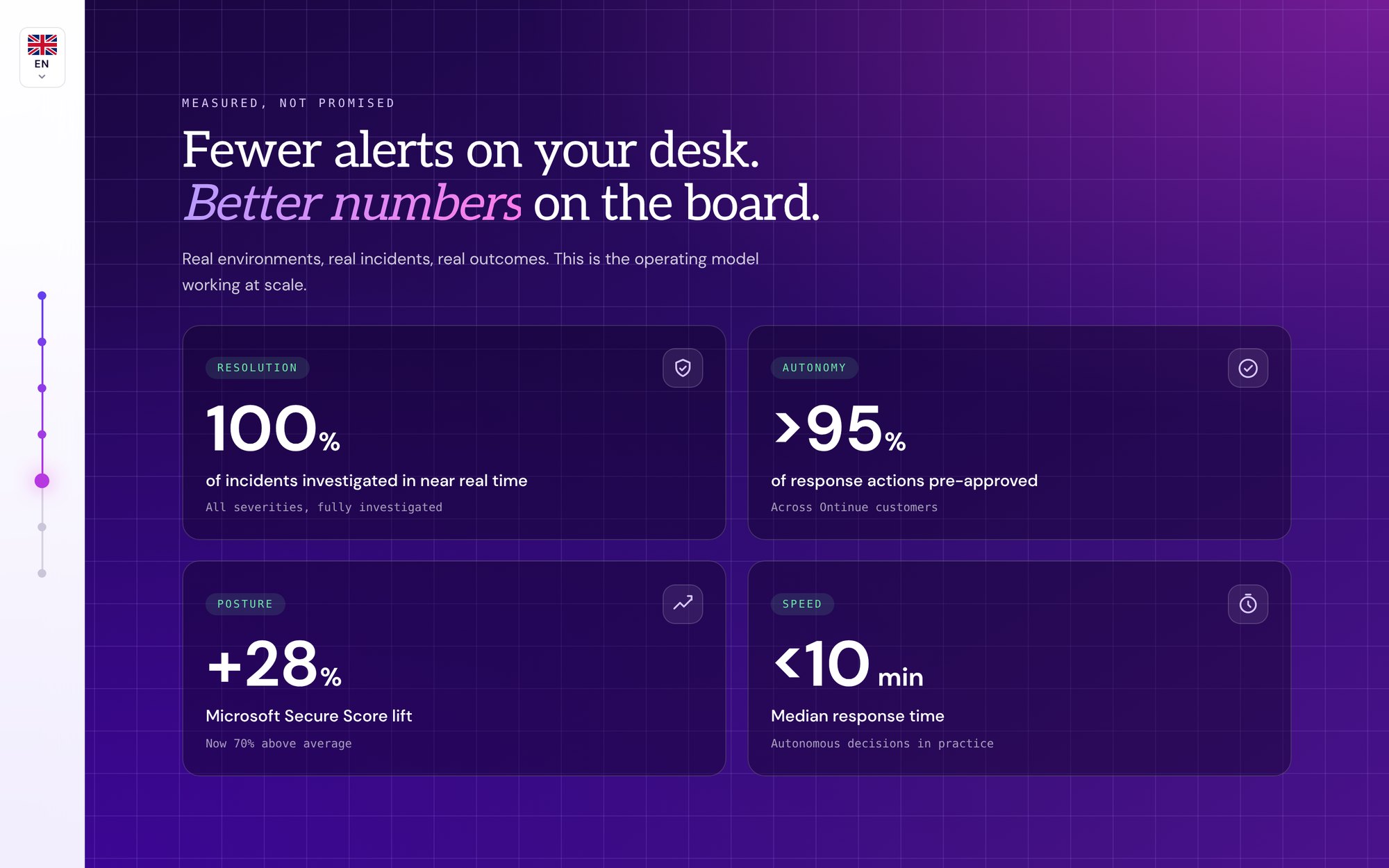
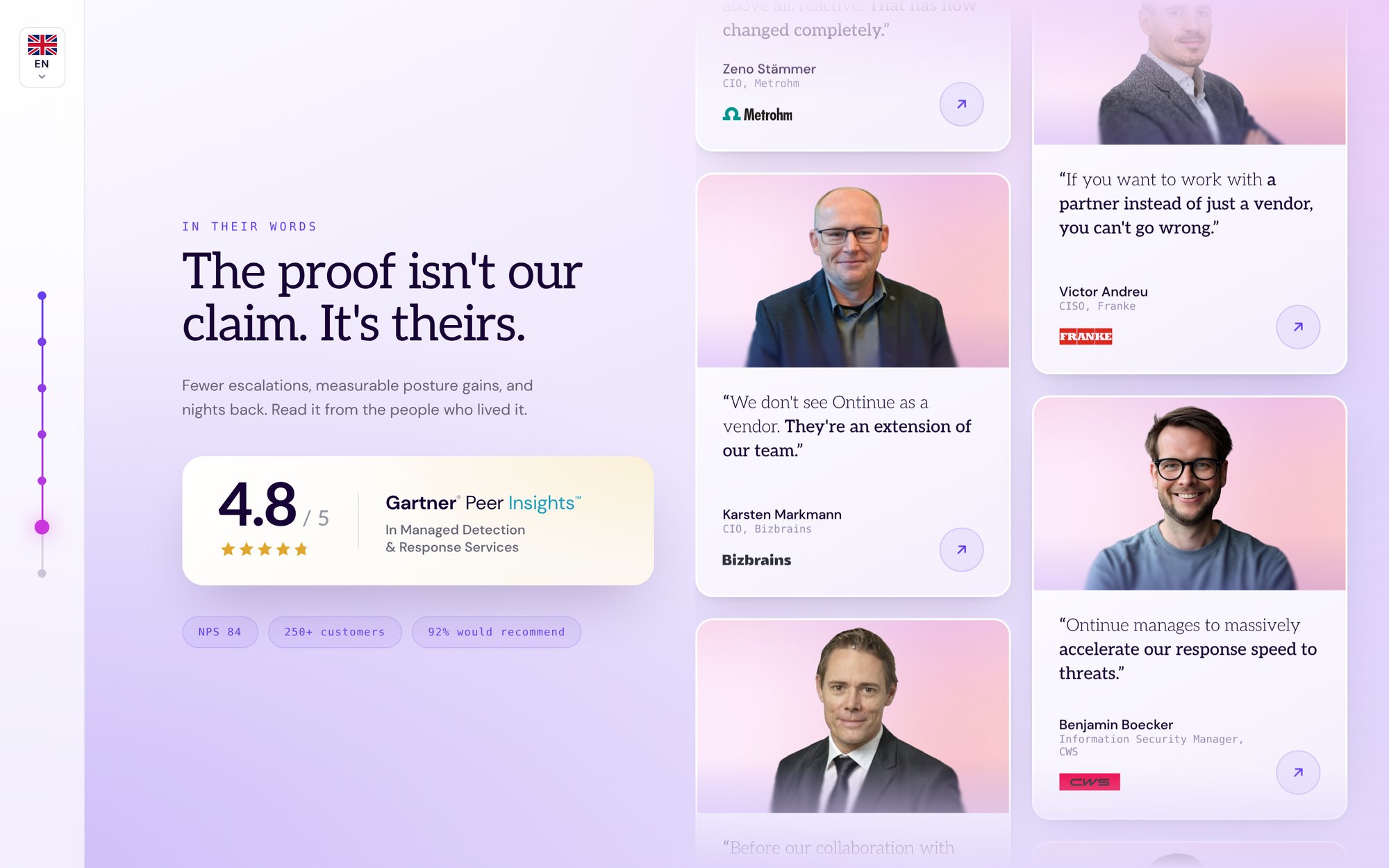
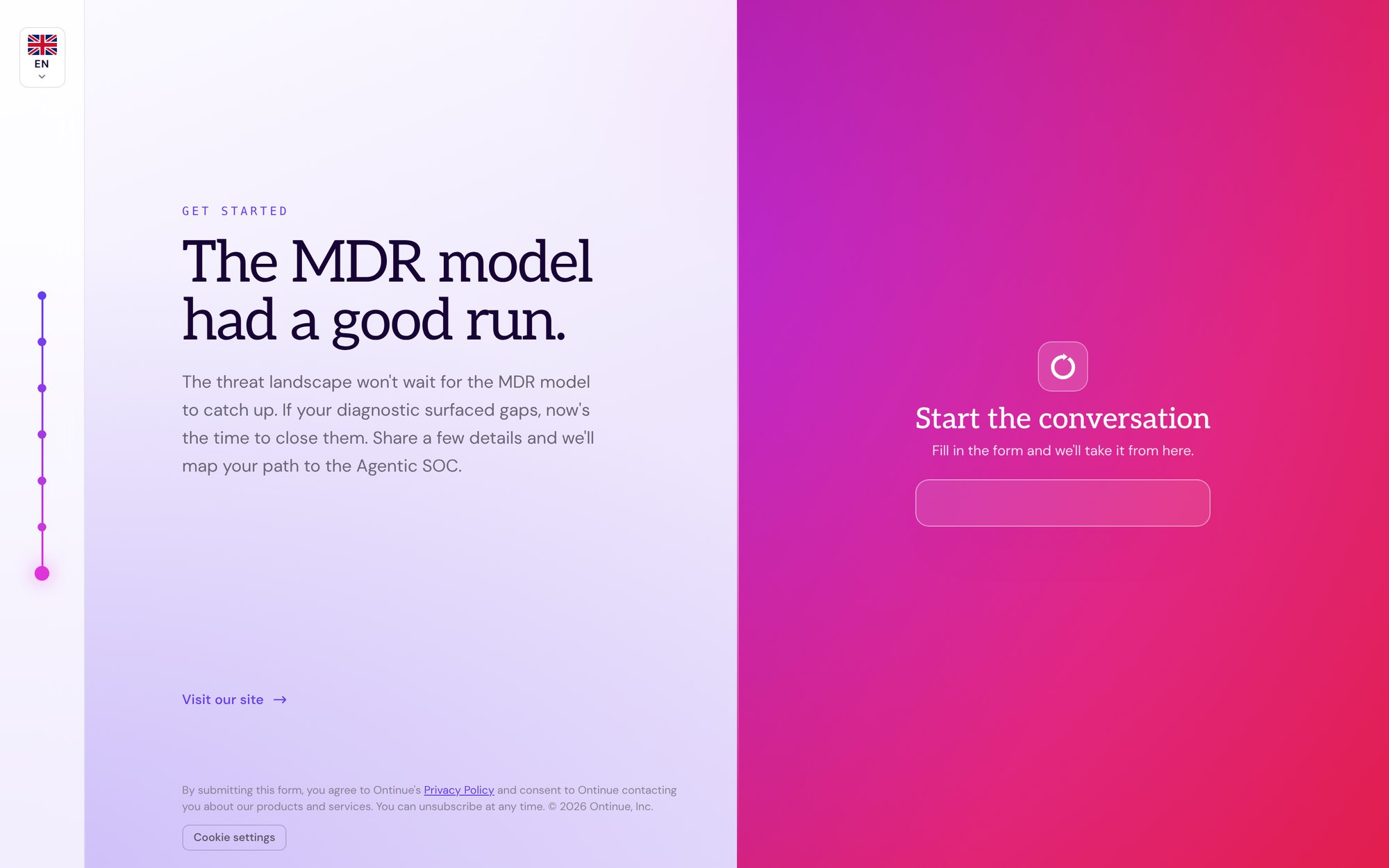
Every ad points to one page, ontinue.com/abetterway, and I designed it to finish the story the ads start. Instead of a long scroll, it moves sideways through chapters, so it reads more like a pitch than a product page.
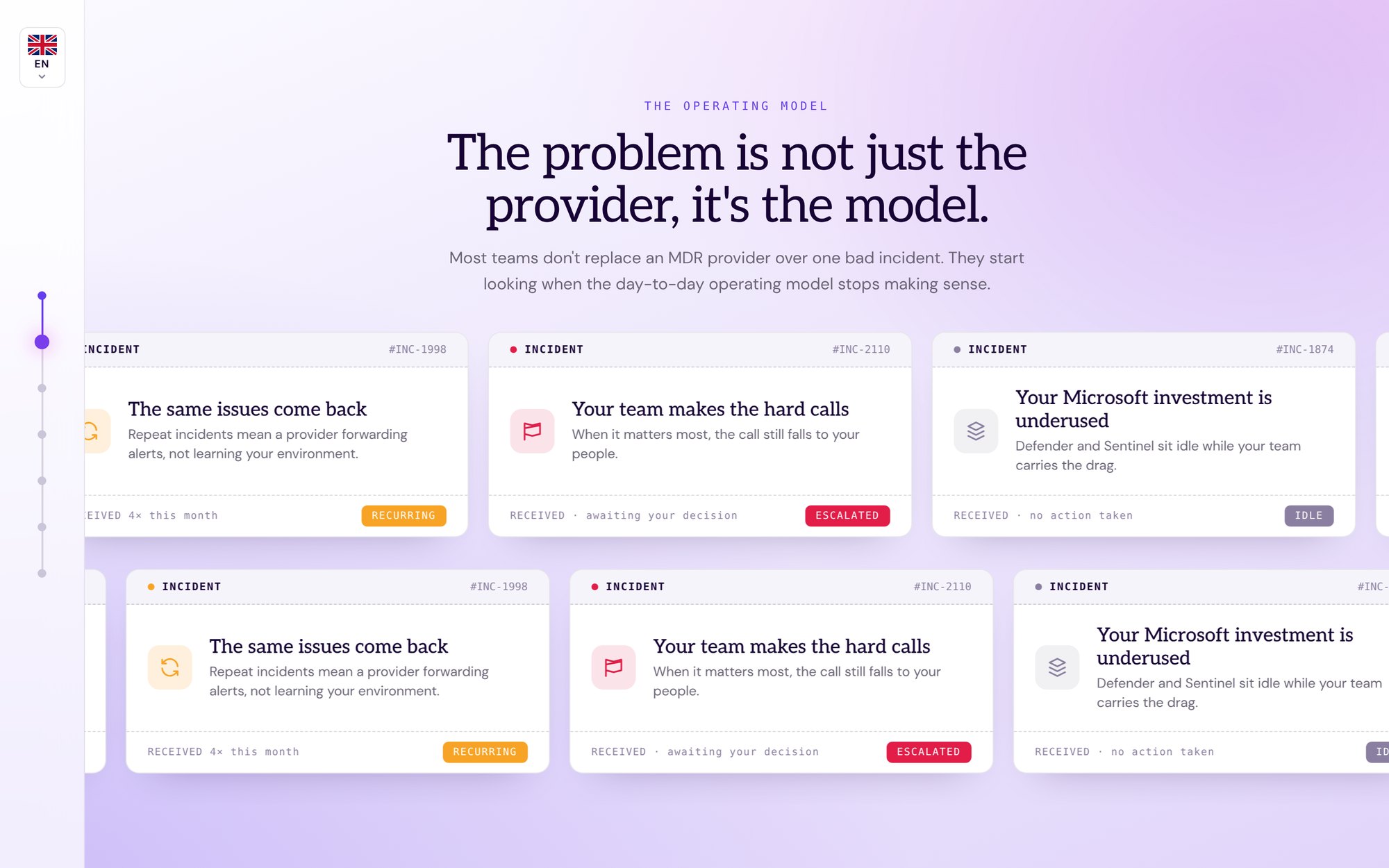
It opens on the idea, "the agentic era of security is here," then names the problem in the same voice as the ads: it's not just the provider, it's the model. The incident cards play back the exact frustrations from the agitate phase, alerts still landing on your team and the same issues coming back.
Why now, then proof
Seconds versus hours
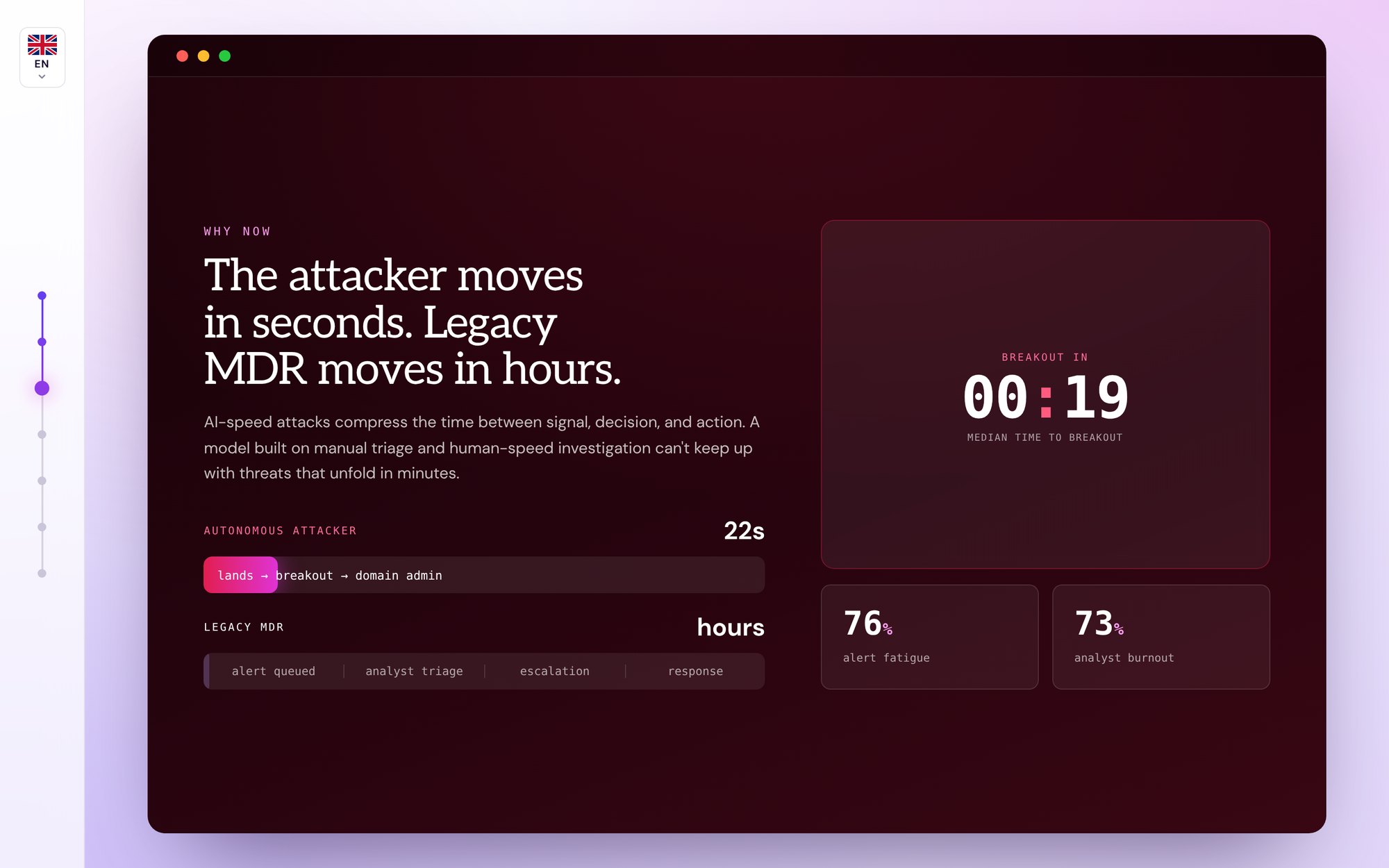
The why now chapter is the turn. A live breakout clock counts to 22 seconds, the median time for an attacker to go from landing to domain admin, right next to a legacy MDR still working through its queue, triage and escalation. It makes the gap something you feel instead of something you read.
From there it's all proof: the Agentic SOC as the new model, measured outcomes instead of promises, and customers telling the story in their own words, before it closes on "The MDR model had a good run."
Nurture
Keeping the conversation going
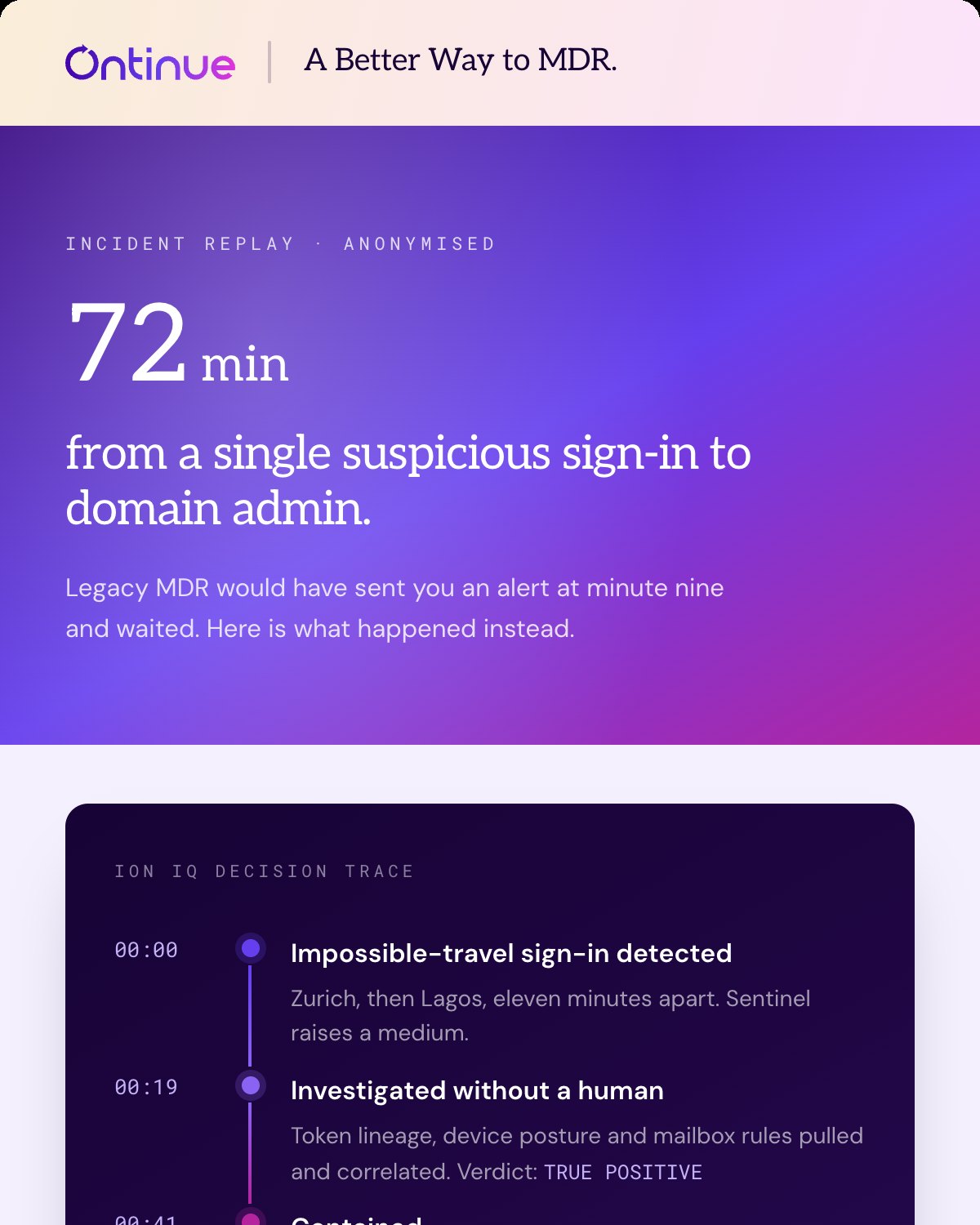
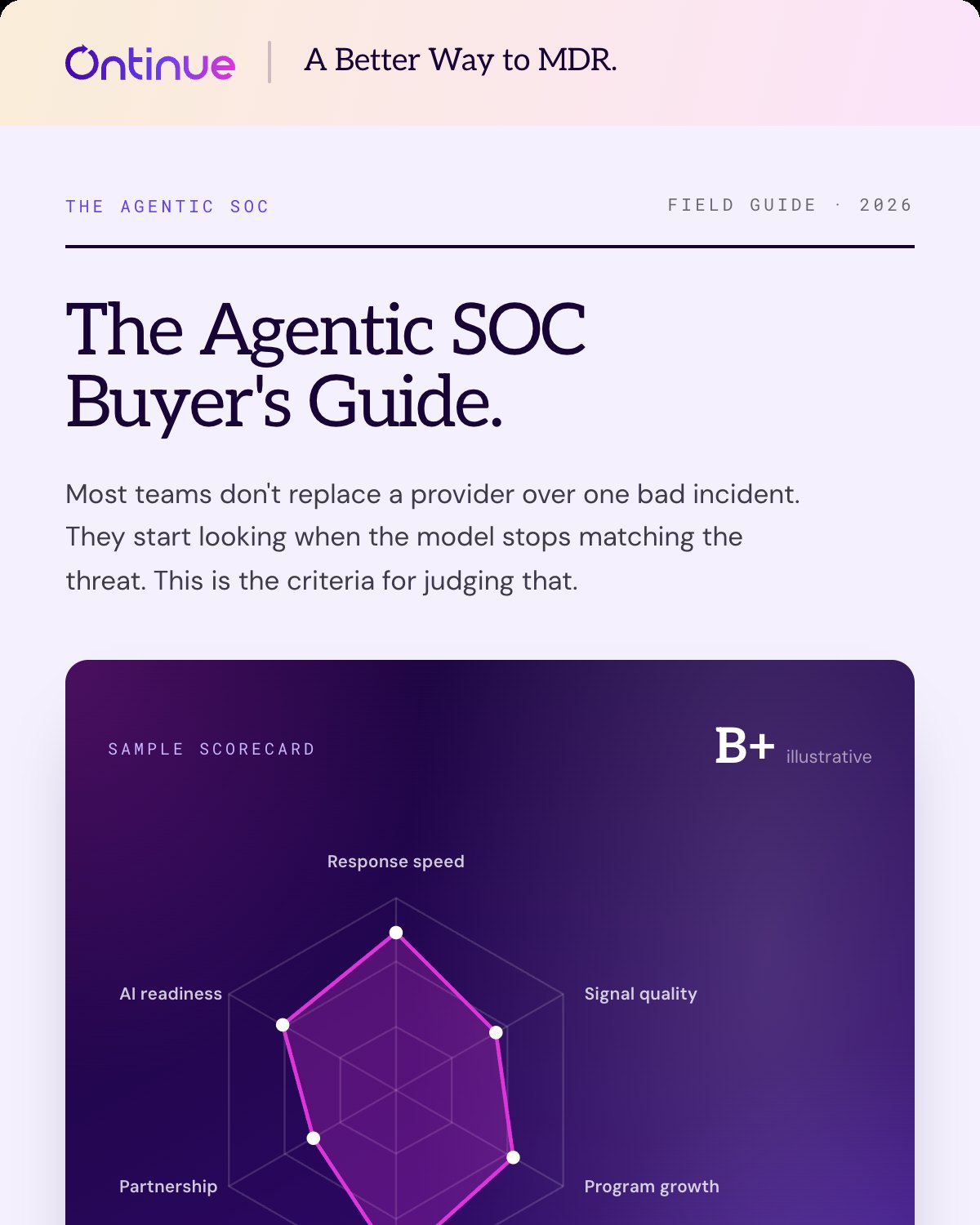
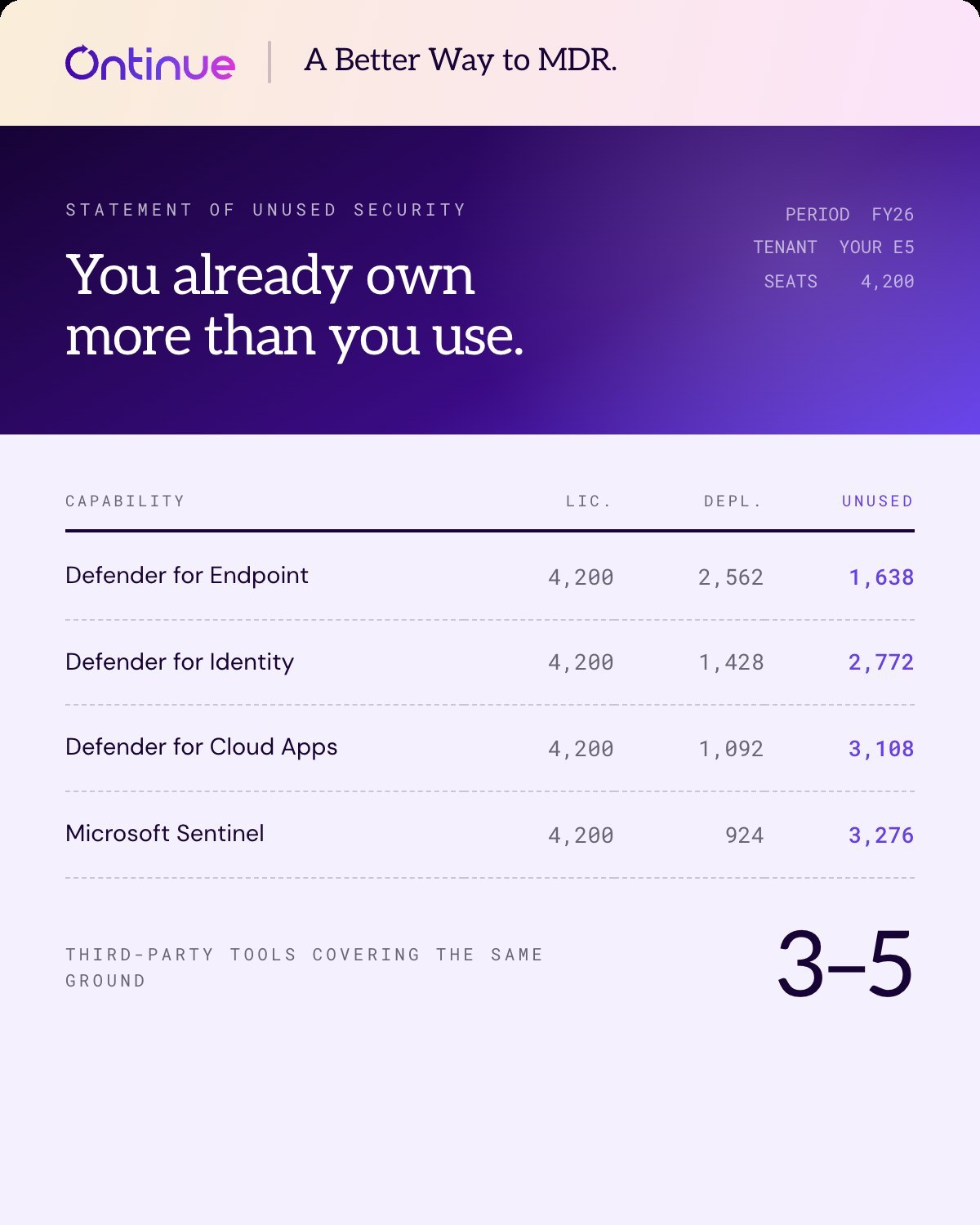
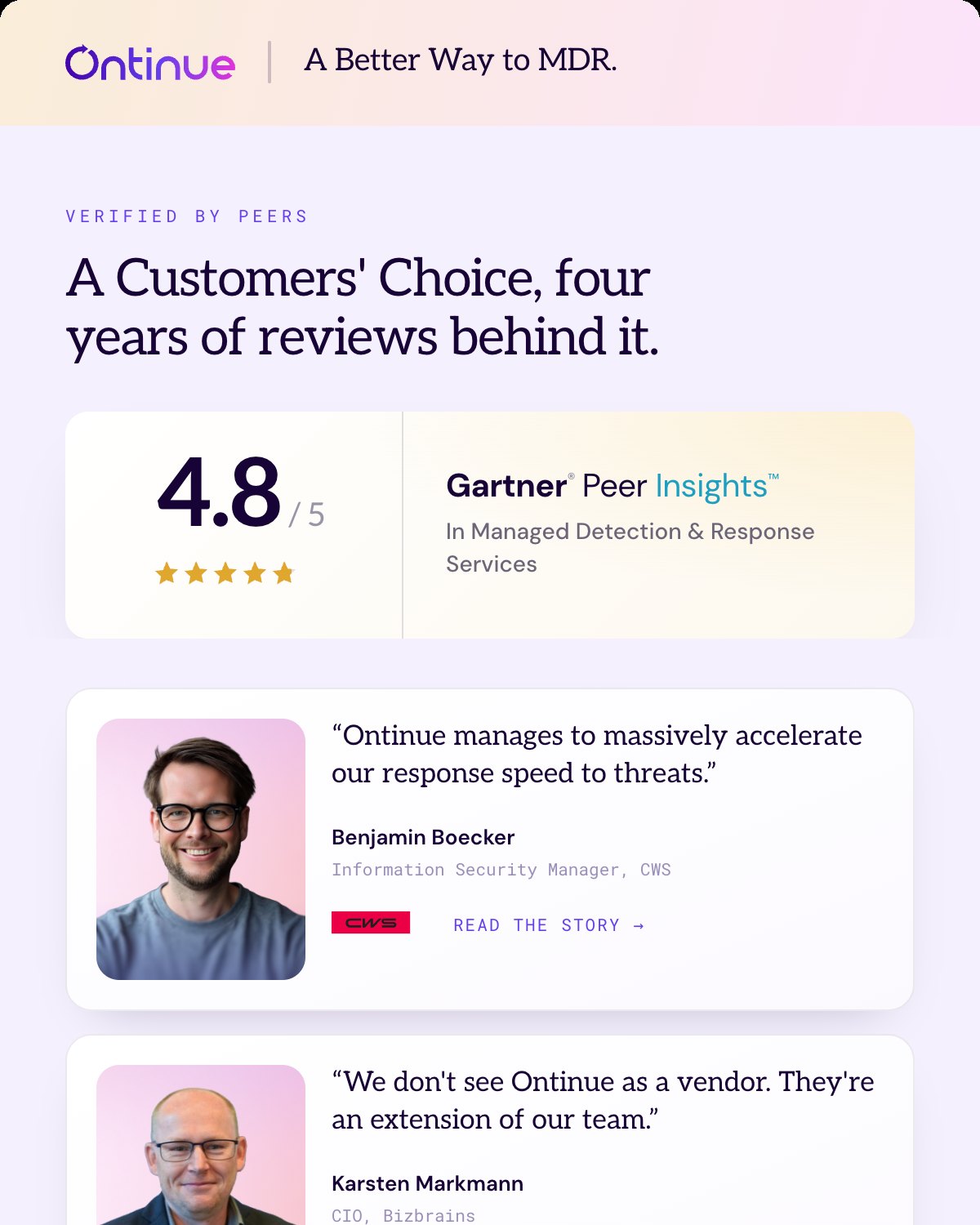
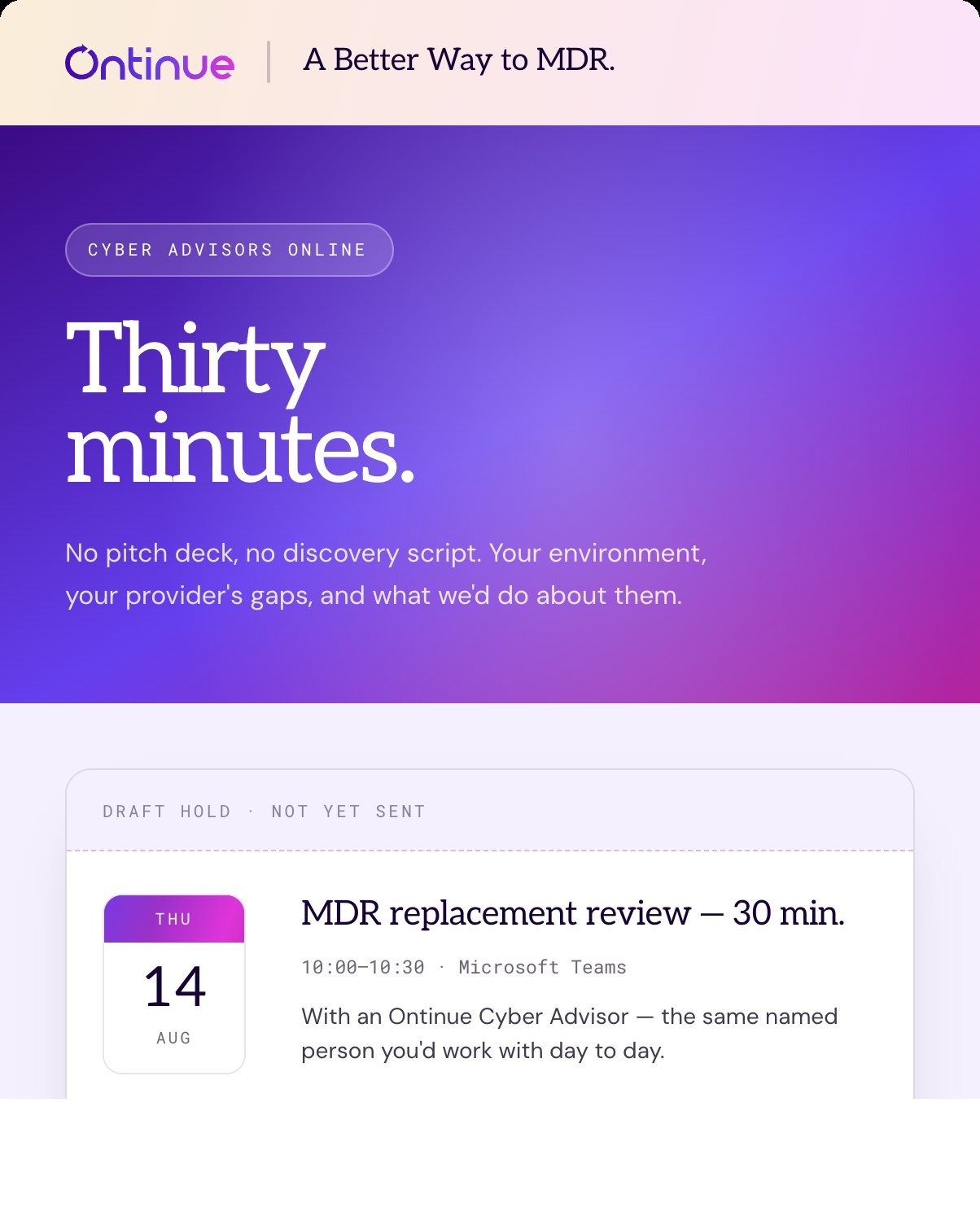
For people who raise their hand, a five email sequence picks up where the page leaves off, each one built around a single useful idea instead of a sales ask: an anonymized replay of a real attack, 72 minutes from one suspicious sign in to domain admin, the Agentic SOC buyer's guide with a scorecard to grade your current MDR, a statement of the Microsoft security you already own but don't use, peer reviews, and finally an invite to a 30 minute review with a named cyber advisor.
Live now
The MDR model had a good run.
The campaign is in market now, so the results are still coming in. The page is live if you want to scroll through the whole story yourself.
Keep exploring